
Review · FRANCE
From Sarlat: Beynac & Domme Tour & Dordogne Boat Ride
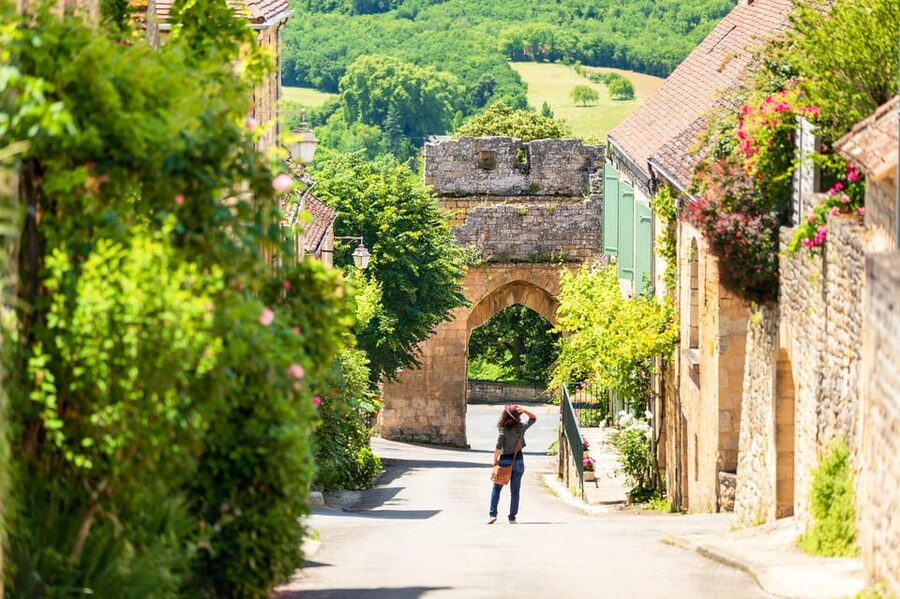
The best part of this four-hour outing is its mix of medieval villages, river scenery, and castle views without asking you to manage the narrow roads yourself. You see Beynac, La Roque-Gageac, and Domme in one compact trip, with an English-speaking guide connecting the stories as you go.
I like the small group, capped at eight, and the practical route. Guides such as Lena, Benoit, Anne, and Martin have been praised for clear storytelling, good driving, and adapting to the group. The main drawback is time: this is a sampler, not a leisurely day in each village, and the boat ride can be replaced if water or fog makes sailing unsafe.
Key points to know before booking
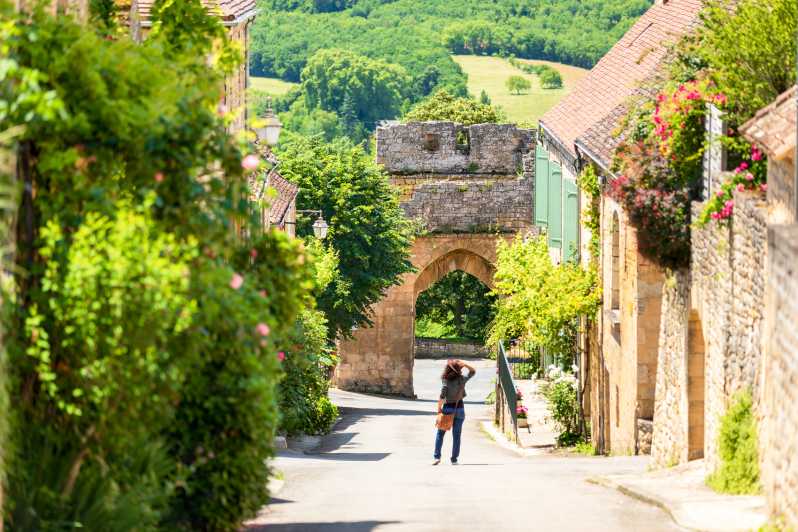
- Three Dordogne highlights in four hours: Visit Beynac, La Roque-Gageac, and Domme without arranging separate transport.
- A traditional gabarre cruise: Spend about an hour on the Dordogne, looking up at castles and cliffs from the water.
- Small-group transport: The van holds no more than eight participants, making the outing more personal than a large coach tour.
- Strong guide service: Lena and Benoit receive especially warm praise, while Anne, Martin, and other guides are also noted for their history and care.
- Brief walking visits: You get a useful first look at each village, but limited time for independent wandering.
- Weather backup plan: High or low water, fog, or an unexpected boat cancellation can lead to a castle visit instead.
Why this route works so well from Sarlat
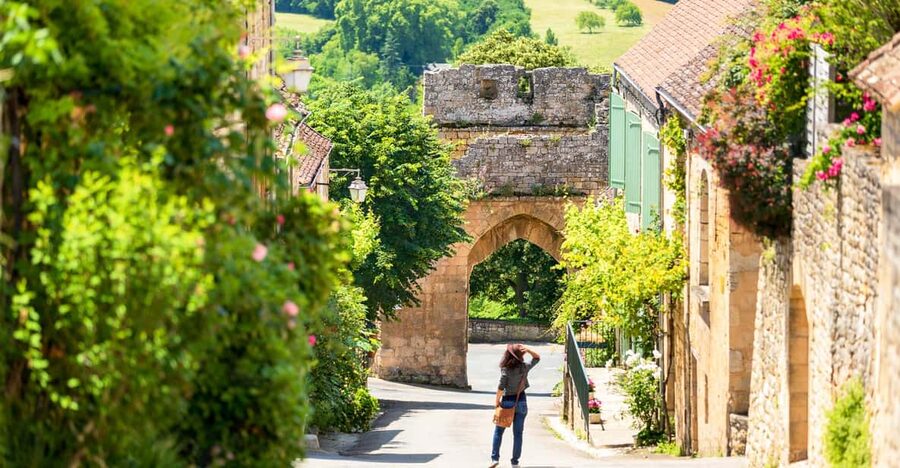
The Dordogne valley is easy to admire and surprisingly awkward to tour by car. Roads are narrow, parking near the most popular villages can be tight, and the prettiest viewpoints are spread along the river. This tour removes much of that work.
You meet at the Place Pasteur bus stop in Sarlat-la-Canéda, then ride in a small van. The first drive takes about 20 minutes, followed by short transfers of roughly 10 minutes between the main stops. That gives you more time looking at old stone villages and less time worrying about directions.
The four-hour length is useful if you have only part of an afternoon free. It also fits well into a Sarlat stay when you want an overview before choosing which village or castle deserves a longer return visit. The tradeoff is simple: you will see the core sights, but you will not have hours to browse shops, sit over coffee, or explore every lane.
The guide is a major part of the experience. The best guides do more than point out a church or castle. They explain how the villages fit into the story of the Périgord Noir, adding context about medieval power, the Hundred Years’ War, architecture, and local geography. Several guides have been praised for giving useful commentary during the drives while still allowing quiet time at the stops.
More Mediterranean boat trips around France:
- Nice: 1-Hour Sightseeing Cruise to Villefranche Bay
★ 4.6 · 2,747 reviews - From Ajaccio/Porticcio:Ajaccio & Sanguinaires Gulf Boat Tour
★ 4.3 · 1,931 reviews - Ajaccio/Porticcio: Scandola Nature Reserve Guided Boat Tour
★ 4.3 · 1,375 reviews
Beynac and its cliff-top fortress
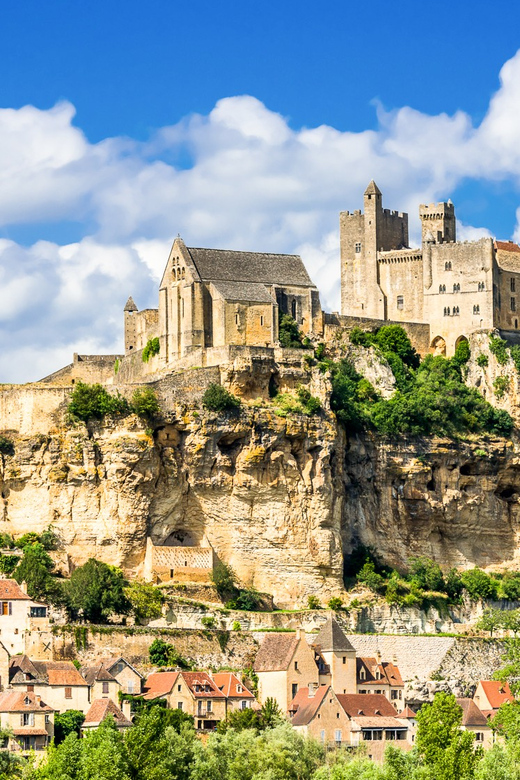
Beynac is the dramatic stop. The village sits below a limestone cliff, while the Château de Beynac occupies the heights above the Dordogne. Even from below, the fortress has a severe, defensive look. Its position makes the reason for its construction clear: control the valley and discourage attack.
The castle began in the 12th century under the barons of Beynac, one of the four baronies of Périgord. Its defenses included double crenellated walls, double moats, and barbicans. One moat used a natural ravine, deepened to strengthen the approach. The cliff itself protected the castle on one side, so the builders concentrated their defenses on the plateau.
Your visit includes a guided walk of about 45 minutes. That is enough for an introduction to the village and its setting, with time to see how the fortress dominates the river corridor. It is not necessarily enough for a relaxed castle visit, especially if the group moves at different speeds or the roads are crowded.
Pay attention to the walking conditions. Beynac has steep sections, old paving, and a downhill walk from the castle area can be challenging for anyone with limited mobility. One account of the outing noted that a planned Beynac walk did not work well for an older group because of the time pressure and the physical demands. This is not a flat, easy village stroll.
That said, the van is a real advantage. A good guide can handle the roads and arrange practical drop-offs and pickups, saving you from repeating a steep walk or hunting for a parking space. Benoit has been praised for collecting participants after downhill walks and for adjusting plans when someone needed extra help.
Entrance fees are not included except for activities specifically named in the program. The walking tour of Beynac is included, but you should confirm the current plan if entering the castle is essential to you. The experience is designed around the village, views, and historical setting rather than a long indoor castle visit.
La Roque-Gageac from the Dordogne River
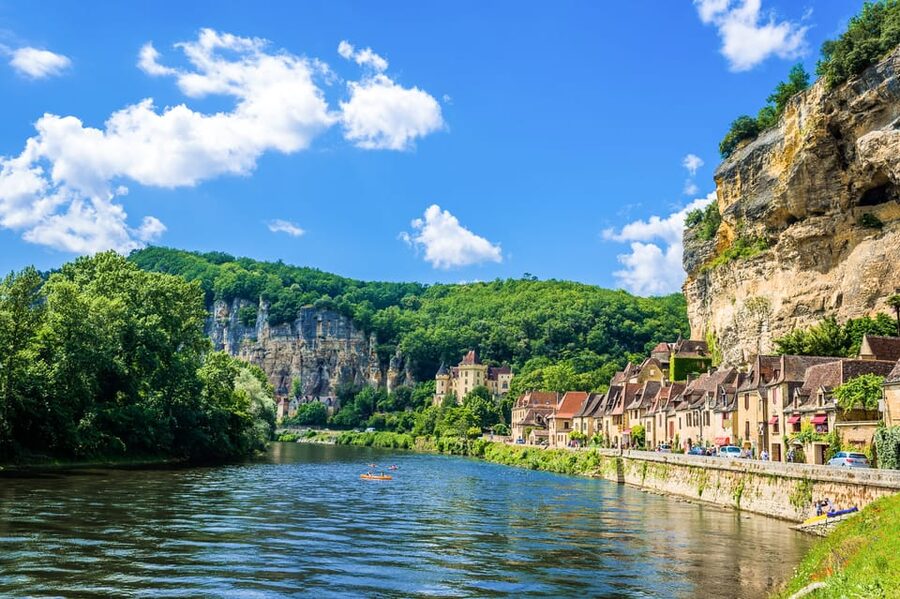
At La Roque-Gageac, the pace changes. You board a traditional gabarre for about one hour on the Dordogne. From the water, you see the valley from a lower and quieter angle, with steep cliffs, old villages, and castles lining the river.
The boat is the visual center of the outing. From land, Beynac and other fortified sites can seem like separate attractions. From the river, you understand how closely they are tied to the valley and its old transport routes. The cruise also gives your feet a rest after walking through Beynac.
Commentary is part of the ride, and the boat narration has been singled out as clear, informative, and occasionally funny. Bring your own attention to the views, too. Headphones used during one outing did not work properly, though the scenery remained easy to enjoy. If the boat guide is speaking, staying within hearing range is sensible.
The cruise runs subject to weather and river conditions. The tour operates rain or shine, but high water, low water, or fog can prevent the gabarre from sailing. In that case, the boat ride is replaced by a castle visit. An earlier high-water situation led to a visit to Château des Milandes, associated with Josephine Baker, and that sort of substitute can turn a disappointment into a worthwhile change of plan.
An unexpected boat cancellation has also required a guide to improvise. Benoit was praised for creating an alternative plan and accommodating a participant with mobility issues. You should still book this outing for the full combination of villages and river, not for a guaranteed boat departure in every condition.
Rain is worth taking seriously. The Dordogne is attractive in wet weather, but an open or partly exposed boat ride is less pleasant when the weather turns. A light waterproof layer and shoes with a firm sole are sensible choices. The official advice calls for comfortable shoes, and that is not a throwaway suggestion given Beynac’s slopes and Domme’s old streets.
Domme, a bastide with an unusual shape
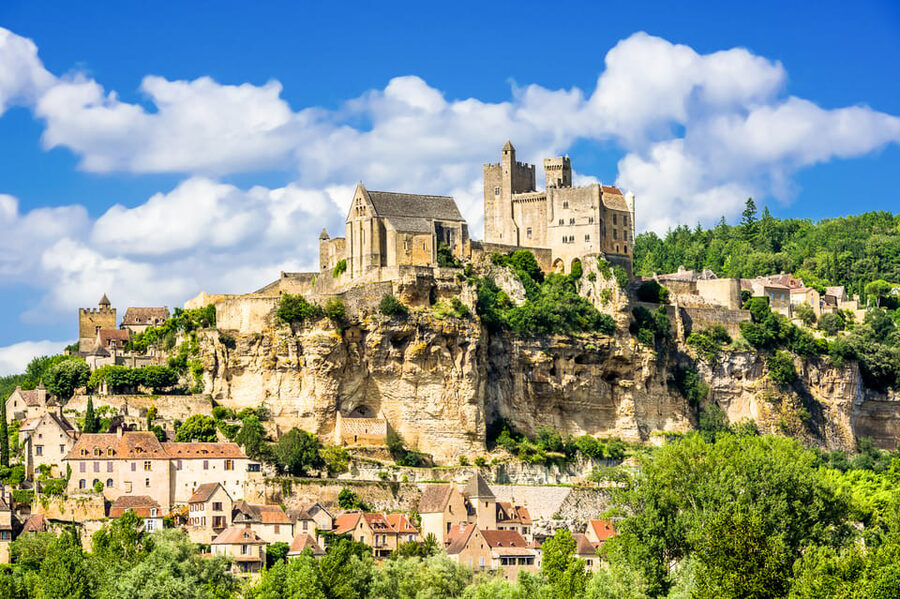
Domme gives you a different kind of medieval setting. It is a bastide, a fortified town founded with a planned layout, but its trapezoid shape follows the terrain instead of forming the more regular rectangle seen in many other bastides. That unusual plan is one reason the town feels distinct.
Domme is listed among France’s Plus Beaux Villages, and its position gives it broad views over the Dordogne valley. The town’s appeal comes from the combination of defenses, stone streets, and its high setting. It is less about one single monument than about seeing how a fortified community was fitted to the ground.
The history is unusually layered. In 1307, Knights Templar were imprisoned in Domme. During the Hundred Years’ War, the town was coveted by the English, who captured it in 1347. Control changed hands several times before the bastide returned to French rule in 1437.
The guided visit lasts about 40 minutes. That is enough to explain the town’s plan and major historical points, and your guide may leave you some time to look around on your own. It is not enough to investigate every gate, viewpoint, and lane at a slow pace. If Domme appeals to you most, treat this tour as an introduction and return independently.
The order of the stops may affect how the afternoon feels. Beynac brings the strongest fortress drama, the gabarre offers a break from walking, and Domme finishes with a hilltop bastide. The short drive back to Sarlat takes about 20 minutes, so you return with the main sights covered without giving away a full day.
Same harbour, a different boat:
- From Nice: Round-Trip Transportation to Saint Tropez by Boat
★ 4.5 · 1,245 reviews - Eiffel Tower Elevator Tour with Optional Summit & Cruise Access
★ 4.5 · 1,143 reviews - From Marseille: Iconic Calanques Boat Tour with Swimming
★ 4.7 · 1,017 reviews - From Ota: Scandola Nature Reserve Eco-Friendly Boat Tour
★ 4.5 · 932 reviews
What the guide adds to the experience
A driver guide can make or break a short regional tour. Here, the strongest part of the service is the combination of driving and explanation. Lena has been praised for keeping commentary interesting during the drives, giving useful history, and allowing private time at the stops. Benoit is frequently noted for his driving, flexibility, and ability to adjust to the needs of the group.
Anne and Martin have also received praise for clear, personable guiding. The recurring pattern is practical rather than theatrical: the guide explains the area, answers questions, keeps the route moving, and helps you make the most of a tight schedule.
That matters in the Dordogne because the experience is not only about taking pictures. Without context, Beynac is simply a castle on a cliff and Domme is simply a pretty stone town. With a good guide, you understand why the castles occupy those heights, why the river mattered, and how medieval political struggles shaped the villages you are seeing.
A small group of up to eight helps. You can usually hear the guide more easily, ask questions without holding up a busload of people, and discuss changes when weather or mobility becomes an issue. The van also gives the outing a more personal feel than a large coach, though space and luggage capacity are naturally limited.
The tour is offered in English only. If you need another language, this is not the right choice.
Is $129 a fair price?
At $129 per person, the value depends on what you would otherwise arrange yourself. The price covers the driver guide, van transport from Sarlat, two guided village walks, and the one-hour Dordogne cruise. You are also paying for local driving on narrow roads and for the time saved by combining three places in one outing.
You still pay for food and drinks, and entrance fees not specifically included are extra. Since the tour is only four hours, the cost is higher than simply driving to one nearby village and walking around on your own. But comparing the price only with fuel misses the main benefit: you do not need to plan parking, connect the villages, or interpret the history yourself.
For a first visit to the region, I consider the price reasonable if you value convenience and local guidance. It is less compelling for people who already have a car, enjoy building their own route, and want several hours at each site. The outing is best viewed as an efficient regional orientation.
Who should book this four-hour outing?
I would choose this tour if you are staying in Sarlat and want to see the classic Dordogne sights without committing a full day. It suits couples, families with older children, and small parties that prefer a guide to self-driving.
It is also useful for anyone uneasy about narrow roads or uncertain parking. The driver handles the logistics while you watch the countryside and listen to the history. Families should provide the child’s age when booking so an appropriate car seat can be arranged.
I would think twice if you use a wheelchair, since the experience is not suitable for wheelchair users. I would also be cautious if steep walking is difficult. Domme and Beynac are historic hill towns, not flat museum complexes.
Finally, do not book this expecting deep exploration. The pace is brisk. You will get a strong first look, but the short visits may leave you wishing for more time, especially in Domme or around the Château de Beynac.
Practical details that matter
Meet at the Place Pasteur bus stop in Sarlat-la-Canéda. The activity requires at least two adults to operate and is limited to eight participants.
Wear comfortable walking shoes and bring a passport or identity card. Pets are not allowed. The tour runs rain or shine, but the boat portion depends on water conditions and fog.
You can cancel up to 24 hours ahead for a full refund, and the reserve-now, pay-later option keeps your plans flexible. Check the available start time for your date, since the published duration is four hours rather than a fixed daily departure.
Should you book it?
Book it if you want three major Dordogne sights in one efficient half-day, especially if you are based in Sarlat and do not want to drive. The gabarre adds a welcome change of pace, while Beynac and Domme show two very different kinds of medieval settlement.
Skip it if you want long, unhurried visits or if steep village walking is a serious concern. For most able walkers, though, this is a well-planned introduction to the Périgord Noir. Choose a day with a favorable forecast if the boat matters most, and think of the whole experience as a well-guided first taste rather than the final word on any one village.
FAQ
Where does the tour start and finish?
The tour starts and returns at the Place Pasteur bus stop in Sarlat-la-Canéda.
How long does the experience last?
The tour lasts four hours, including the drives between Sarlat, Beynac, La Roque-Gageac, and Domme.
What is included in the price?
The price includes the driver guide, walking tours in Beynac and Domme, and the Dordogne River boat ride when conditions allow.
Are food, drinks, and all entrance fees included?
No. Food and drinks are not included, and entrance fees are not included unless specifically mentioned in the program.
What happens if the boat cannot operate?
If high water, low water, fog, or another problem prevents the cruise, it is replaced by a castle visit.
Is the tour suitable for wheelchair users?
No. The activity is listed as unsuitable for wheelchair users, and the villages include walking on historic, uneven, or sloping routes.
Is the tour offered in languages other than English?
No. The tour is offered in English only.
Just launched around France
- Hyères: Morning Discovery – Guided Tour of the Coast by Catamaran★ 4.9 · 34 reviews
- Hyères : Sunset Catamaran Cruise to Giens Peninsula★ 4.9 · 138 reviews
- Hyères : Morning Discovery or Relaxing Afternoon cruise★ 4.7 · 135 reviews
- Hyères, Brégançon & Porquerolles : Full-Day cruise with Meal★ 4.5 · 86 reviews
- Lérins Islands Sailing Discovery, snorkeling and paddle SUP★ 4.7 · 110 reviews
- Golf Juan: Sunset Sailing Cruise with aperitif at the Island★ 4.8 · 101 reviews
- Full-Day Catamaran Cruise Departing from Cannes★ 4.4 · 120 reviews
- From Bonifacio: Lavezzi Islands and Bonifacio Boat Tour★ 4.8 · 104 reviews
France Boat Trips side by side
Nice: 1-Hour Sightseeing Cruise to Villefranche Bay
Read our review →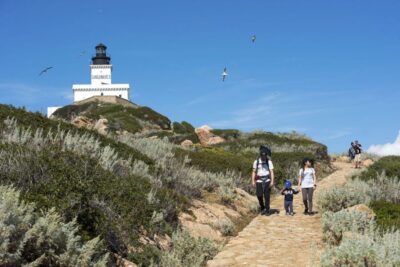
From Ajaccio/Porticcio:Ajaccio & Sanguinaires Gulf Boat Tour
Read our review →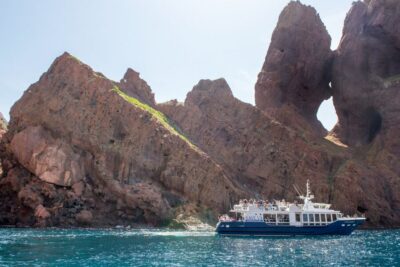
Ajaccio/Porticcio: Scandola Nature Reserve Guided Boat Tour
Read our review →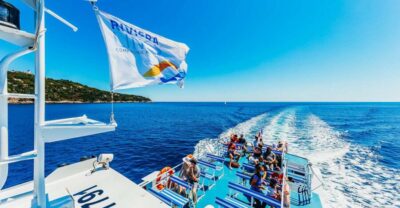
From Nice: Round-Trip Transportation to Saint Tropez by Boat
Read our review →
Eiffel Tower Elevator Tour with Optional Summit & Cruise Access
Read our review →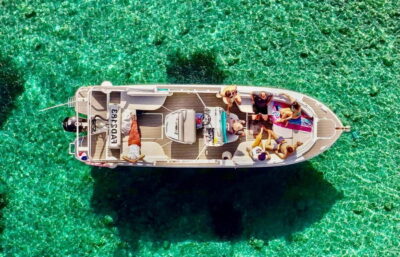
From Marseille: Iconic Calanques Boat Tour with Swimming
Read our review →
From Ota: Scandola Nature Reserve Eco-Friendly Boat Tour
Read our review →
Bonifacio by Sea: Unmissable Escape from Ajaccio/Porticcio
Read our review →Lists this boat trip appears in